Ginza Yoshizawa
銀座 よし澤

| L | M | M | G | V | S | D |
|---|---|---|---|---|---|---|
12 | 13 | 14 | 15 | 16 | 17 | 18 |
19 | 20 | 21 | 22 | 23 | 24 | 25 |
26 | 27 | 28 | 29 | 30 | 31 | 11/1 |
2 | 3 | 4 | 5 | 6 | 7 | 8 |
Ultime informazioni
Un'esperienza culinaria di alta qualità che fa sentire la bellezza del Giappone
Punti consigliati
valutazione
Recensioni
fotografia
menù
This is a lunch-only course that allows you to casually enjoy the flavors of Ginza Yoshiizawa during your lunch hour. Although the course is compact, it is full of seasonal dishes and includes our specialty, straw grill. This is a dish that even first-timers can fully appreciate the charm of our restaurant.

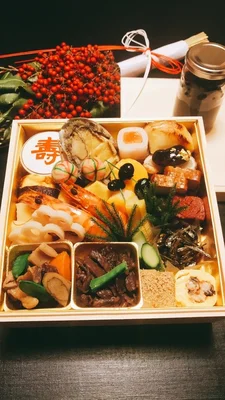
This seasonal kaiseki course is prepared with careful attention to detail, emphasizing the original flavors of the ingredients. The course also includes our specialty, straw grill, which allows you to savor the flavor of the fish as it spreads with the aroma of the straw. The dish is served with a side dish of seasonal delicacies and finishes with flavorful white rice cooked in an earthenware pot. <As an appetizer> Cod milt <Hassun> Colorful seasonal ingredients <Bowl> Yellowtail, Shogoin radish, bok choy, yuzu (Japanese citrus fruit) <Sashimi> Red leaf sea bream with sea bream seaweed <Graspy snacks> Spanish mackerel baked in straw <Age dish> Deep-fried fugu and kuei (Japanese spiny dogfish) <Nimono > Shogoin turnip with crab paste <Meal > Rice cooked in an earthen pot <Sweet dishes > Homemade mikan (mandarin orange) ice cream Chestnut tsukemono

This kaiseki course carefully draws out the true flavor of the ingredients by using the most suitable cooking techniques for the ingredients of the time. The course is designed to reflect the changing of the seasons in the dishes, allowing diners to savor the flavors of the season through all five senses. The specialty, straw-roasted rice, is also included in this course. To top off the meal, we serve takikomi-gohan (rice cooked in an earthenware pot) with seasonal ingredients. A day's menu: <As an appetizer> <Hassun> A colorful and colorful dish using seasonal ingredients <Bowl> <Ozuri> <Sashimi> <Grilled dish> <Seasonal delicacies> <Grilled dish> <Simono> <Meal> Earthen pot cooked rice <Sweet dishes> Homemade mandarin orange ice cream, rice cake with strawberries

Based on the Ginza Yoshizawa creed, "First of all, there are the ingredients," this kaiseki course makes the most of the season's bounty, which has been carefully selected. The chefs' finely honed sensibilities and techniques bring out the essence of the ingredients in each dish. The specialty of the restaurant, straw grill, is a gem that concentrates the flavor of the season's seafood with the aroma of the straw. To top off the meal, we serve our special takikomi-gohan (rice cooked in an earthenware pot), which takes advantage of the season's unique flavors and fluffiness. Ginza Yoshizawa Omakase Course】The omakase course is made with carefully selected ingredients from that day's stock, delivered with the utmost skill and sensibility. The menu and composition may vary depending on the day's procurement.

A bowl served with sakura sea bream caught in Kochi Prefecture and fried bamboo shoots from Kyoto, accompanied by a blend of dashi made from carefully prepared Rishiri kelp, bonito flakes, and tuna flakes.

In addition to the flavors, such as white fish and fried bamboo shoots, firefly squid marinated in the ocean, and thin green peas floating in broth jelly, the aroma and colors also exude a sense of the seasons.

Kinmedai from Kochi is lightly seared on the skin. Suzuki is salted and rested, then mixed with tobiko and ikura. Accompanying this is yuki urui, which evokes the arrival of early spring.

The aroma of straw envelops the dish, spreading a refined flavor in the mouth that is different from bonito. It can be enjoyed with the finest salt from the Goto Islands, along with garlic, ginger, and new onions to taste.

Opening the lid of the Kyoto pottery reveals the taste and aroma of the season. This time, it features clams caught in Kujukuri and nanohana (rapeseed flowers) in the soup.

Kinmedai from Kochi is lightly seared on the skin. The sea bass is salted and rested, then mixed with tobiko and ikura. Accompanying this dish is snow urui, which evokes the arrival of early spring.
Miso pickled burdock, sweet vinegared red daikon, and various types of nuka pickles. In the back, there is chirimen sansho, which is also popular as a souvenir.
Dashi made from Rishiri kelp, tuna flakes, and bonito flakes, with ingredients including cherry sea bream, Kyoto bamboo shoots, and fried Domyoji rice cake.
This dish, which can be said to be the essence of the restaurant, brings out the flavors of the ingredients without being overpowering and maintains a perfect balance. It can be enjoyed with pickles or eaten on its own.
In addition to the flavors, the aroma and colors also convey a sense of the seasons, featuring white fish and fried bamboo shoots, firefly squid marinated in soy sauce, and light green peas floating in a dashi jelly.
The aroma of straw envelops the fish, spreading a refined taste in the mouth that is different from bonito. Along with the finest salt from the Goto Islands, you can add garlic, ginger, and new onions to your liking.
Opening the lid of the Kyoto pottery reveals the taste and aroma of the season. This time, it features clams caught in Kujukuri and nanohana (rapeseed flowers) in the soup.
The flavors of Daisen chicken and yomogi gluten are enhanced by spring ingredients such as bracken and flower pepper. *Includes beaten egg
.png?format=webp)


.jpg?format=webp)